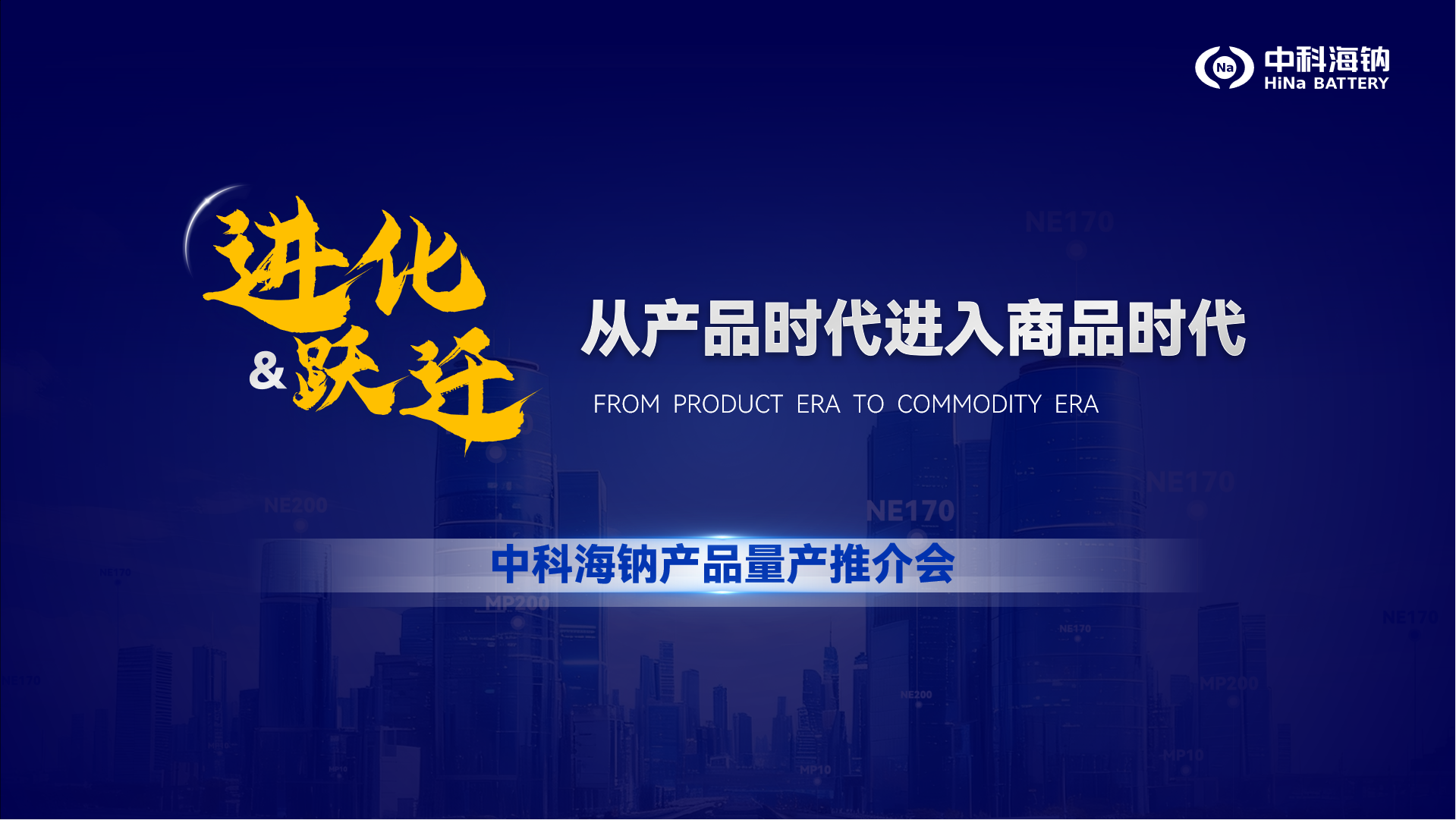
 Evolution & Leap Forward
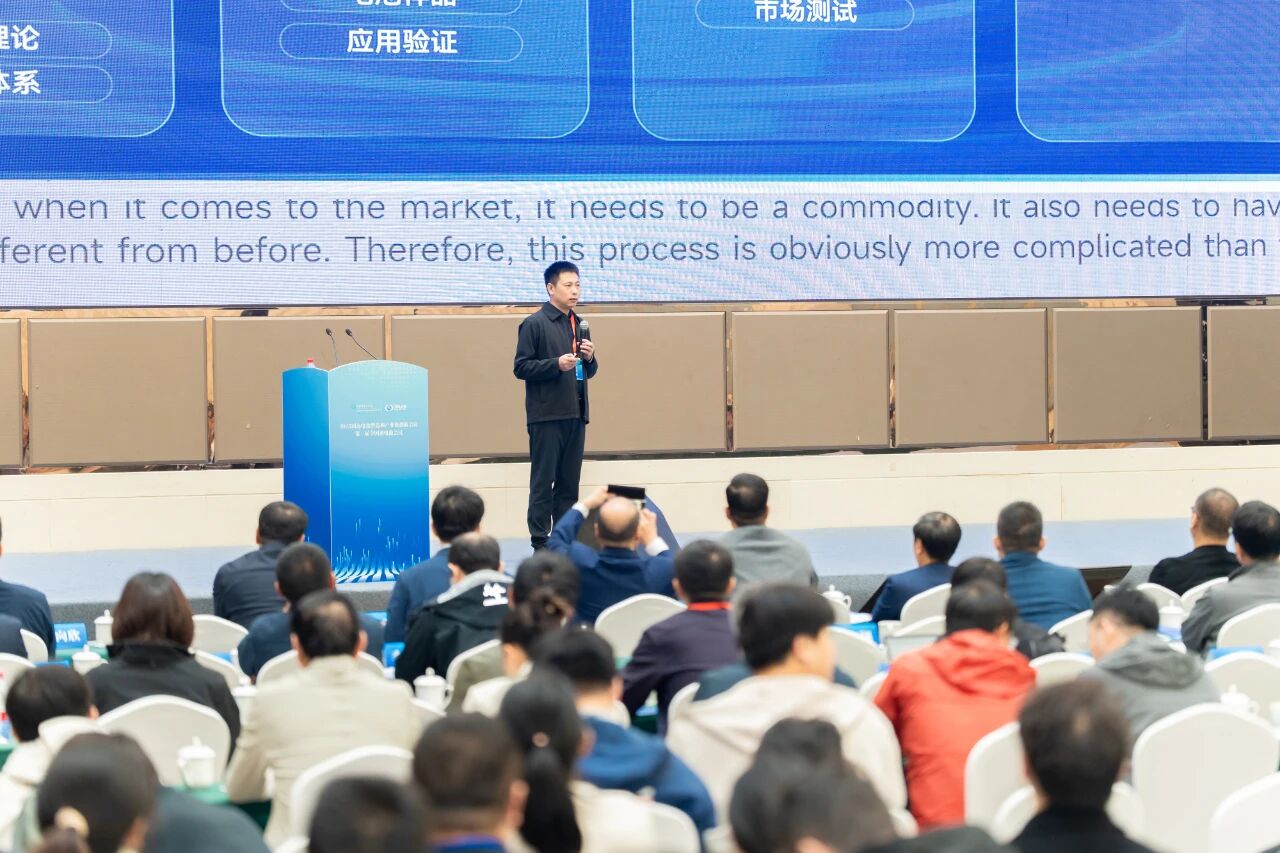
October 31, 2025 – HiNa Battery successfully hosted a product mass-production launch event themed "Evolution & Leap: From the Product Era to the Commercial Era." This event officially inaugurated the commercial age of sodium-ion batteries, where HiNa will provide customers with high-performance, low-cost sodium-ion battery products, injecting new momentum into the global new energy industry.
The launch began with a retrospective of HiNa Battery's 15-year development journey:
First Five Years (2011-2015): Focused on fundamental research of sodium-ion battery materials, developing the cathode and anode material systems with the highest industrial potential.
Second Five Years (2016-2020): Progressed from pilot lines to demonstration lines, taking the lead in completing prototype development and application validation for sodium-ion batteries.
Third Five Years (2021-2025): Constructed the world's first thousand/ten-thousand-ton scale material production lines and GWh-scale cell production lines. Conducted application validation across multiple markets, achieving mass production of sodium-ion battery products and market breakthroughs.
After fifteen years, HiNa Battery has systematically completed the full cycle from technology R&D and prototype validation to industrial implementation, laying a solid foundation for the advent of the commercial era.
Standing at the new starting point of the fourth five-year period, HiNa Battery's General Manager, Li Shujun, announced at the event that four sodium-ion battery product lines have now entered the mass-production and sales phase, marking the official transition of sodium-ion batteries from the product era into the commercial era.
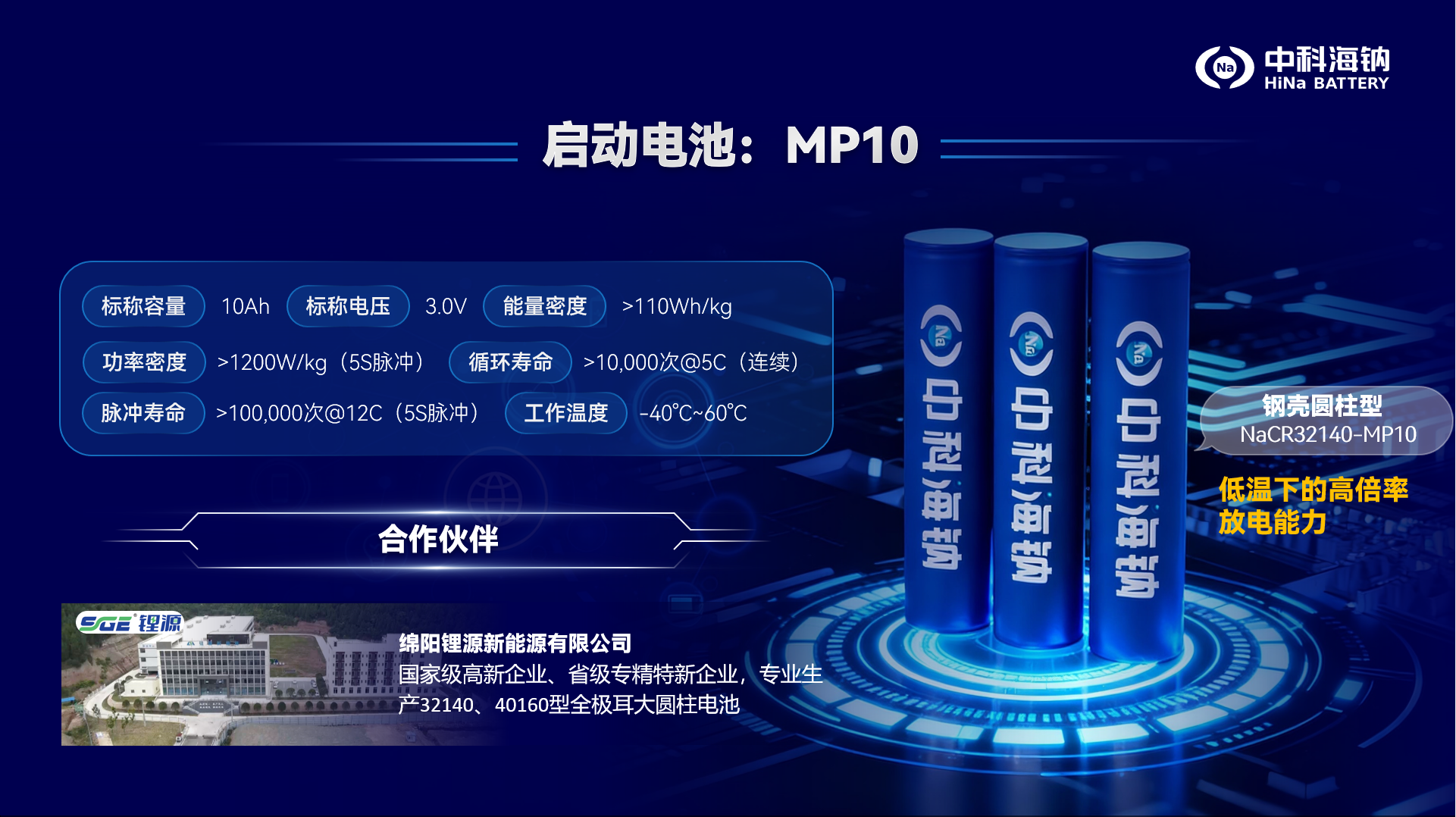 Starter Battery: MP10
With a nominal capacity of 10Ah, it features excellent low-temperature, high-rate discharge performance and a long cycle life. Primarily designed for starting/start-stop batteries, it can achieve a lifespan matching that of the vehicle, enabling truly maintenance-free operation for life.
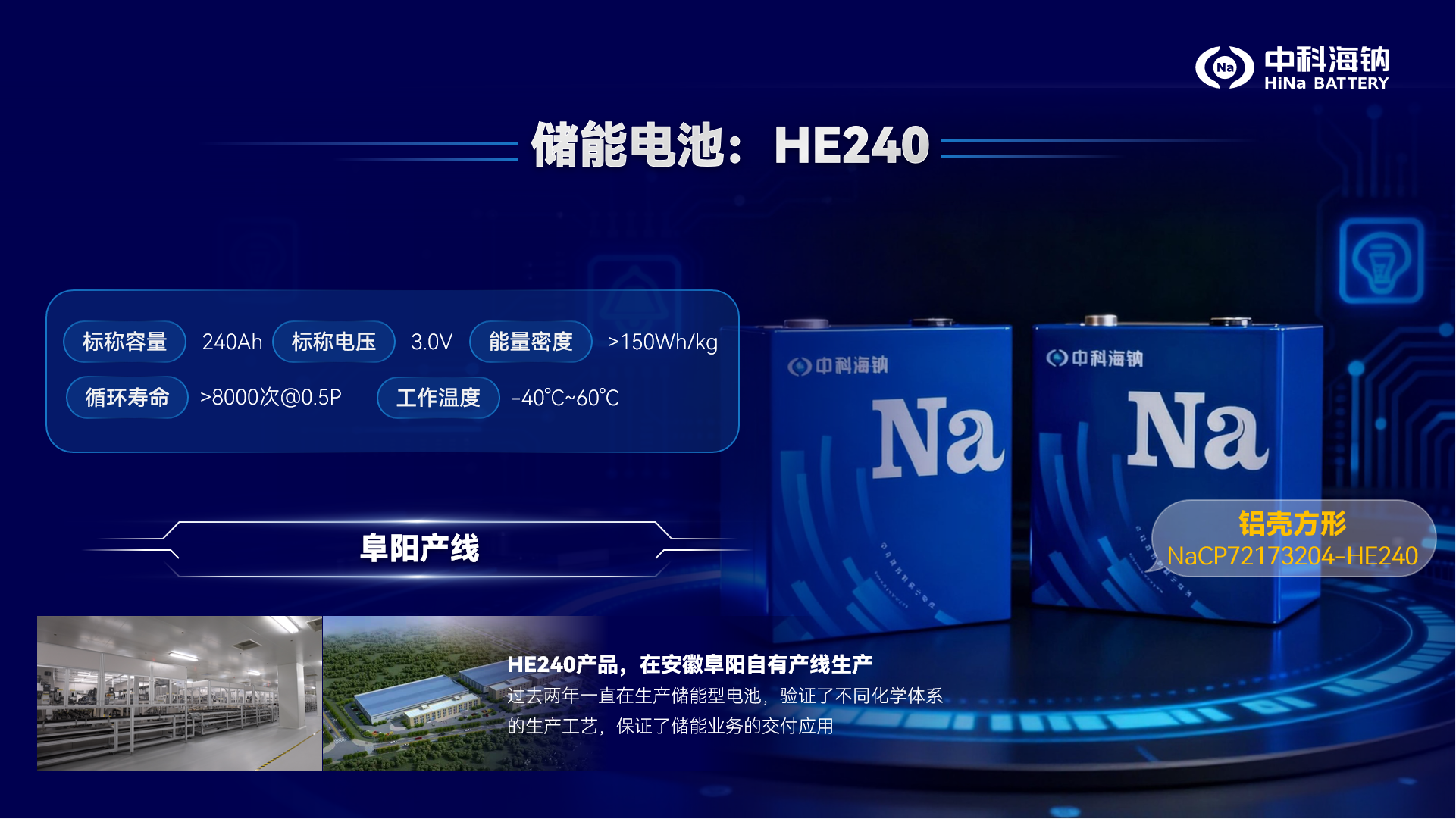 Energy Storage Battery: HE240
With a nominal capacity of 240Ah, this cell is targeted primarily at large-scale energy storage. It has undergone two years of production validation on the GWh-scale cell production line in Fuyang, Anhui. Its mass production and delivery have ensured the successful operation of several sodium-ion battery energy storage power stations in China.
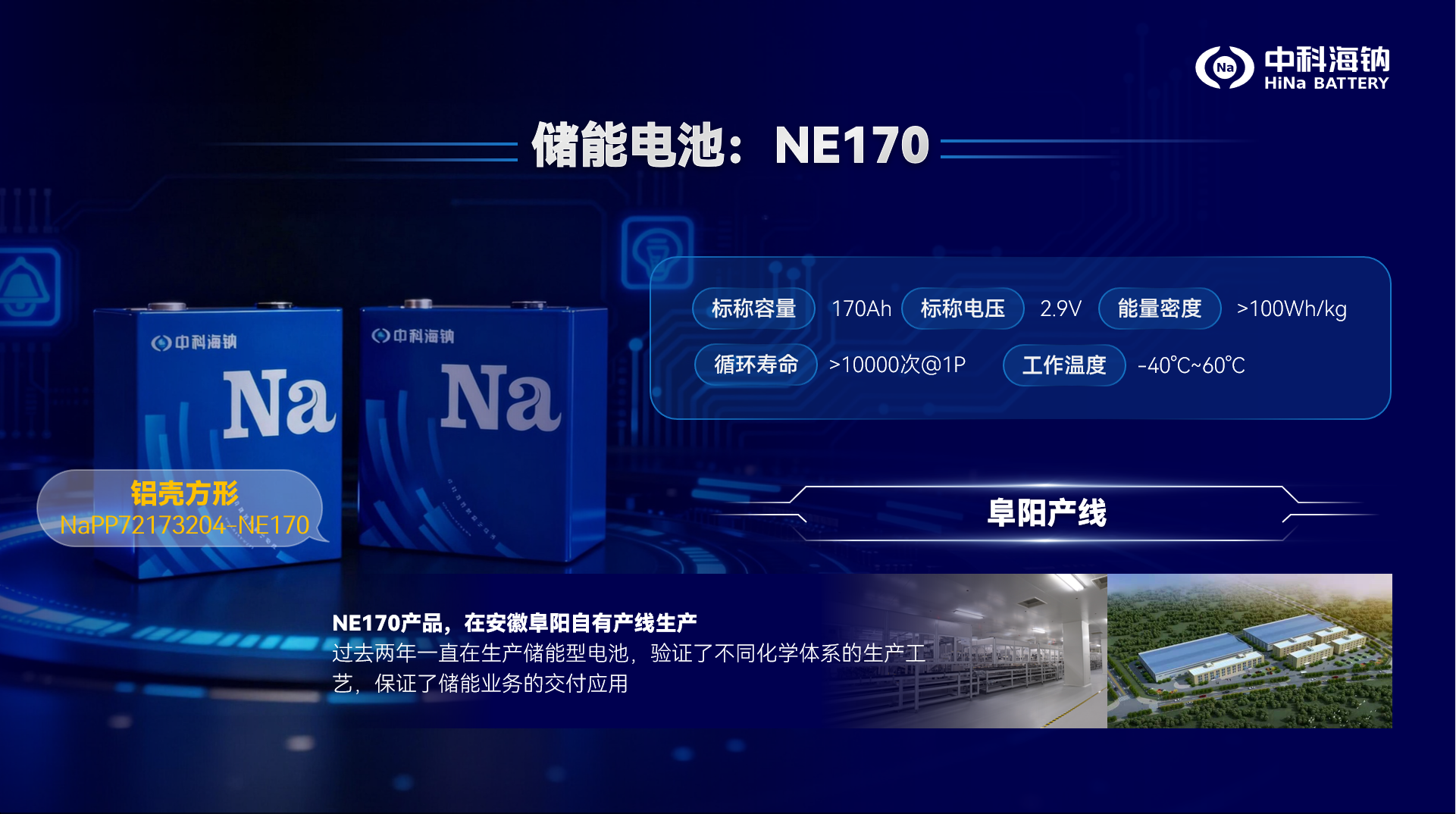 Energy Storage Battery: NE170
With a nominal capacity of 170Ah, it is mainly used for frequency regulation and distributed energy storage, and has already achieved batch delivery and application. Deploying 20% sodium-ion batteries in a 0.25P power station can increase the station's short-term power absorption capacity by 60%, effectively enhancing grid regulation capabilities and renewable energy integration.
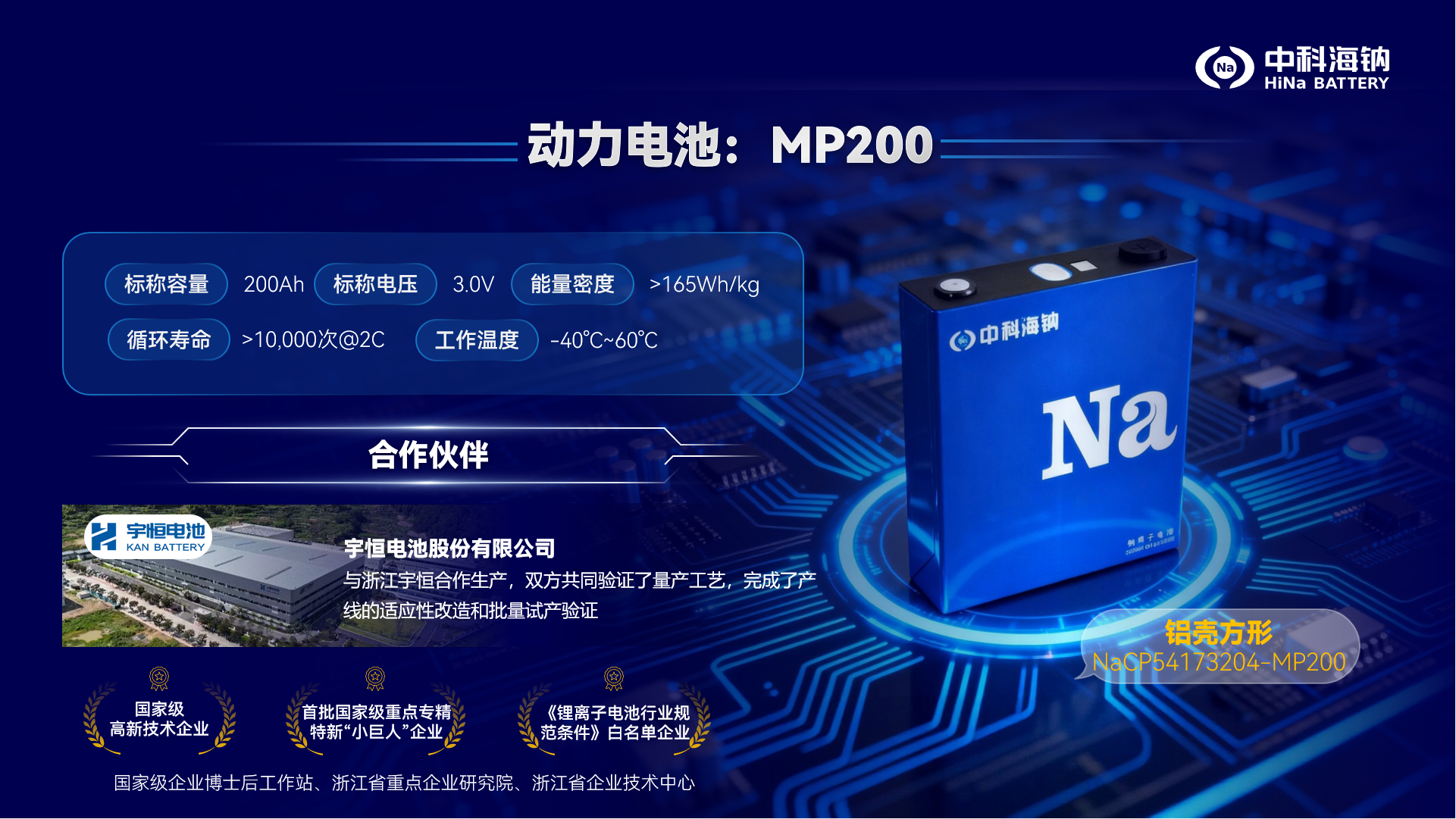 Power Battery: MP200
With a nominal capacity of 200Ah, it introduces a new model of "Less Loading, Faster Charging, More Utility." This approach effectively increases total energy output while reducing overall costs, significantly improving the operational economics of commercial vehicles. Recently, the Golden Dragon XMQ4252 pure-electric tractor truck powered by sodium-ion batteries, co-developed by HiNa Battery and Golden Dragon Heavy-Duty Automobile, has been listed in the MIIT product catalog.
 Robust manufacturing capability is the core pillar of the commercial era. Currently, HiNa Battery has established ten-thousand-ton scale cathode/anode material production lines and GWh-scale cell production lines. Through deep partnerships with Mianyang Lithium Source and Yuheng Battery, and by collaborating with upstream and downstream partners, HiNa has built a high-quality supply chain system to ensure product consistency and stable delivery capabilities.
Looking ahead, HiNa Battery will continue to deepen its R&D in sodium-ion battery technology and promote multi-scenario, diversified commercial applications. It is projected that by 2028, demand from specific market segments will drive the sodium-ion battery industry to a scale of hundreds of gigawatt-hours. This will propel the industry into its second major leap—transitioning from the commercial era to the scale era—and establish sodium-ion batteries as a central pillar of the global new energy industry.